
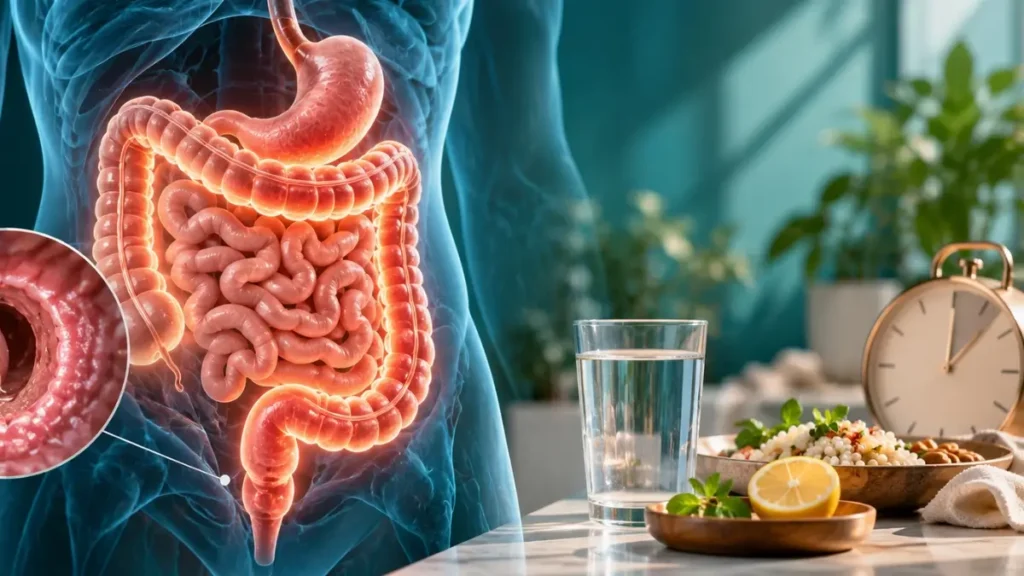
Navratri fasting is often seen as a time for spiritual discipline, mindful eating and a fresh start. But have you ever wondered what happens to your digestive system when your eating habits change for nine days?
From sabudana khichdi and vrat-friendly snacks to fruits, dairy products and long gaps between meals, Navratri can bring several changes to your daily eating routine. Some people feel comfortable with these changes, while others notice bloating, gas, constipation or changes in bowel movements.
But here is something worth understanding: does fasting actually cleanse your colon, or is your digestive system doing something different?
And where does Colon Hydrotherapy fit into this conversation?
At Salubrity Integrative Wellness Clinic in Gurgaon, we believe digestive wellness begins with understanding your body rather than following every detox trend you see online. In this guide, we explore what may happen to your gut during Navratri fasting, the truth about colon cleansing, and what you should know before considering Colon Hydrotherapy.
What Happens to Your Gut During 9 Days of Navratri Fasting?
Your digestive system continues working throughout the day, whether you are fasting or eating regular meals. However, changes in food choices, meal timing, fluid intake and physical activity can influence your digestive comfort.
Here are some changes you may notice during Navratri.
1. Your Bowel Movements May Change
During Navratri, your usual diet may be replaced with a smaller variety of foods. Depending on what you eat, you may consume more refined starches, dairy products or fried vrat snacks and fewer fibre-rich foods.
If your fibre intake decreases, your bowel movements may become less frequent or your stools may become harder. On the other hand, fruits, vegetables and other fibre-containing foods may help support normal bowel function.
What to remember: Constipation during fasting does not automatically mean that waste or toxins are accumulating in your colon. It may simply reflect changes in your diet, hydration or routine.
2. You May Experience Bloating and Gas
Have you noticed abdominal fullness after eating a large meal following several hours without food?
Some people experience bloating during Navratri because of changes in meal size, food combinations or the amount of fibre they consume. Certain foods, including dairy products for people who have difficulty digesting lactose, can also contribute to gas and discomfort.
Eating slowly, choosing balanced meals and identifying foods that trigger symptoms may help.
Persistent bloating, however, should not automatically be attributed to fasting. If symptoms continue or become severe, seek medical advice.
3. Your Hydration Habits May Affect Digestion
Fluid intake is an important part of normal digestive function. If your fasting routine limits when you drink water, or you simply forget to drink enough between meals, your hydration may be affected.
Inadequate fluid intake can contribute to hard stools and constipation in some people.
During Navratri, drink water regularly during the hours when fluids are permitted, unless your healthcare professional has advised a fluid restriction. People with kidney or heart conditions may need individualised hydration advice.
4. Your Gut Responds to Changes in Fibre Intake
Fibre supports normal bowel movements and helps maintain stool consistency. Some traditional fasting meals contain fibre-rich fruits, vegetables, nuts and seeds, while other fasting foods may be predominantly starch-based or fried.
The balance matters more than the label attached to the meal.
Consider including suitable fibre-containing foods in your meals and increasing fibre gradually if your current intake is low. Sudden dietary changes can sometimes increase gas and bloating.
5. Your Digestive Routine May Feel Different
Your gut responds to everyday habits, including meal timing, sleep, movement, stress and hydration.
During Navratri, changes in work schedules, late-night celebrations, reduced sleep or different meal timings may influence how comfortable your digestion feels.
A consistent routine, adequate rest and gentle physical activity when appropriate can help support overall digestive wellness.
The important distinction: Changes in digestion during Navratri do not necessarily mean that your colon needs a cleanse.
Does Navratri Fasting Naturally Cleanse Your Colon?
This is one of the most common questions people may have when searching for Navratri detox, colon cleansing or digestive wellness.
The answer is that fasting does not automatically cleanse the colon.
Your digestive system already has natural processes that break down food, absorb nutrients and move waste through the intestines. The liver and kidneys also perform important functions in processing and eliminating waste products.
A change in your eating pattern may influence bowel movements, but it does not establish that your body has accumulated toxins that need to be flushed out.
Similarly, having fewer bowel movements during fasting does not necessarily mean your colon is dirty or blocked.
If you are experiencing constipation, bloating or persistent abdominal discomfort, the first step is to understand the possible cause rather than immediately choosing a colon cleansing treatment.
What Is Colon Hydrotherapy?
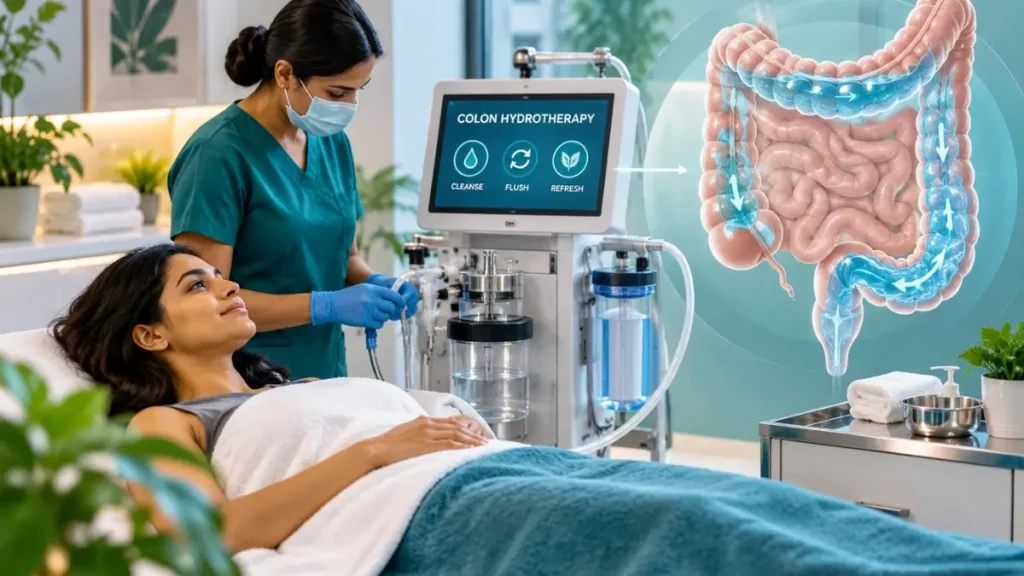
Colon Hydrotherapy, also known as colon irrigation or colonic irrigation, is a procedure in which warm, filtered water is introduced into the large intestine using specialised equipment under professional supervision.
The procedure is intended to help flush waste material from the colon. It is different from a routine bowel movement and from a standard enema.
People search for Colon Hydrotherapy for different reasons, including digestive discomfort, interest in colon cleansing and general gut wellness. However, these reasons should not be confused with established medical benefits.
There is limited clinical evidence supporting colon cleansing for general health or detoxification. Colon Hydrotherapy should not be considered necessary simply because you are fasting or following a particular diet.
At Salubrity Integrative Wellness Clinic, Gurgaon, an individual health assessment is an important step before considering the procedure.
Learn more about the treatment on our Colon Hydrotherapy
Colon Hydrotherapy During Navratri Fasting: Is It a Good Idea?
If you are planning to fast for nine days, you may wonder whether this is the right time to consider Colon Hydrotherapy.
There is no established evidence that performing Colon Hydrotherapy during Navratri fasting provides additional digestive benefits simply because you are fasting.
In fact, your hydration, food intake, existing symptoms and medical history all matter when evaluating whether the procedure is appropriate.
Colon cleansing procedures can cause side effects, including abdominal discomfort and changes in fluid balance. More serious complications are possible, particularly in people with certain medical conditions.
For this reason, do not assume that fasting makes your colon ready for cleansing.
Before considering Colon Hydrotherapy during Navratri, discuss your fasting routine and health history with a qualified healthcare professional. If you are feeling weak, dizzy, dehydrated or unwell, prioritise medical advice rather than adding another procedure to your routine.
When Should You Be Particularly Careful?
Extra caution is needed if you have:
- Severe or persistent constipation with abdominal pain.
- Unexplained rectal bleeding.
- Persistent vomiting or significant abdominal swelling.
- A history of bowel disease or recent abdominal surgery.
- Significant kidney or heart disease.
- Symptoms of dehydration, such as dizziness or unusual weakness.
Some of these symptoms require prompt medical evaluation rather than a cleansing procedure. If you have severe abdominal pain, persistent vomiting, significant bleeding or suspected bowel obstruction, seek urgent medical care.
Colon Hydrotherapy Benefits: What Does the Evidence Say?
You may come across claims that colon cleansing removes toxins, resets digestion, improves nutrient absorption or provides a complete gut detox.
It is important to separate personal experiences from scientifically established outcomes.
Some people report feeling lighter after Colon Hydrotherapy. However, these experiences do not establish that the procedure improves long-term digestive health or removes harmful toxins from the body.
The evidence does not support routine colon cleansing as a necessary way to maintain health.
A more useful approach to digestive wellness includes:
- Eating a balanced diet with suitable fibre intake.
- Drinking adequate fluids.
- Staying physically active as your health allows.
- Maintaining a regular sleep schedule.
- Seeking medical evaluation for persistent digestive symptoms.
- Avoiding unnecessary cleansing products or procedures.
Colon Hydrotherapy should not replace medical evaluation or treatment for constipation, irritable bowel syndrome, inflammatory bowel disease or other digestive conditions.
Colon Hydrotherapy for Constipation and Bloating: Is It Necessary?
Constipation and bloating are common concerns, but they can have several different causes.
Constipation may be related to low fibre intake, inadequate hydration, reduced activity, medications or an underlying medical condition. Bloating can be associated with food intolerances, constipation, digestive disorders and other factors.
If you experience these symptoms during Navratri, consider the following steps first.
For occasional constipation:
- Review your fibre intake and include suitable fibre-rich foods.
- Maintain adequate hydration during permitted hours.
- Continue gentle movement if appropriate.
- Avoid repeatedly using laxatives or cleansing products without advice.
For bloating:
- Eat slowly and pay attention to meal sizes.
- Notice whether particular foods trigger symptoms.
- Avoid making several restrictive dietary changes at once.
- Seek professional advice if symptoms persist.
If constipation is severe, recurrent or accompanied by pain, bleeding, vomiting or unexplained weight loss, consult a healthcare professional.
Colon Hydrotherapy is not a universal treatment for these symptoms, and its suitability must be assessed individually.
How to Support Your Gut Naturally During Navratri
You do not need an aggressive detox routine to look after your digestive health during Navratri. A few practical habits may help you maintain a comfortable routine.
Choose Balanced Vrat-Friendly Meals
Where appropriate for your fasting practices, include a variety of fruits, vegetables, nuts, seeds and other suitable foods. Avoid relying entirely on fried snacks or highly refined starches.
Maintain Hydration
Drink fluids regularly during the times you are permitted to do so. If your fasting rules or medical condition affect fluid intake, seek appropriate guidance.
Avoid Sudden Dietary Changes
A sudden increase or decrease in fibre can affect bowel habits. Make changes gradually and pay attention to how your body responds.
Keep Your Routine Consistent
Adequate sleep, gentle movement and regular opportunities to use the toilet can support normal bowel function.
Do Not Ignore Persistent Symptoms
If you experience ongoing constipation, unexplained bloating, abdominal pain or changes in bowel habits, seek medical advice instead of assuming you need colon cleansing.
Is Colon Hydrotherapy Safe for Everyone?
No. Colon Hydrotherapy is not suitable for everyone, and it should not be treated as a routine requirement for digestive wellness.
Potential risks include abdominal cramping, dehydration, electrolyte disturbances, infection and, rarely, bowel injury. Risk can be greater for people with certain gastrointestinal conditions, previous bowel surgery, kidney disease or heart disease.
People with suspected bowel obstruction, active gastrointestinal disease or unexplained rectal bleeding should receive appropriate medical assessment before considering any colon cleansing procedure.
If you are fasting during Navratri, your current hydration and nutritional intake should also be considered.
At Salubrity Integrative Wellness Clinic, the goal is to provide clear information and individualised guidance so that patients can make informed decisions. A consultation does not mean that Colon Hydrotherapy will automatically be recommended; suitability depends on the individual’s health circumstances.
Considering Colon Hydrotherapy in Gurgaon?
If you are exploring Colon Hydrotherapy in Gurgaon, begin by understanding the procedure, its limitations and whether it is appropriate for your health needs.
At Salubrity Integrative Wellness Clinic, Gurgaon, patients can discuss their digestive concerns, medical history and wellness goals with the clinical team before deciding on any treatment.
Our approach focuses on personalised assessment, professional guidance, hygiene and realistic expectations rather than promising a quick detox or guaranteed results.
Whether you are researching colon hydrotherapy treatment, colon cleansing therapy or digestive wellness during Navratri, informed decision-making should come first.
Have questions about Colon Hydrotherapy during Navratri fasting?
Contact Salubrity Integrative Wellness Clinic to discuss your concerns and understand whether a consultation is appropriate for you.
Book a consultation:
Frequently Asked Questions
1. Does Navratri fasting cleanse the colon naturally?
No. Fasting changes your eating pattern, but it does not automatically cleanse the colon or remove accumulated toxins. Normal digestive processes continue during fasting.
2. Can I undergo Colon Hydrotherapy while fasting during Navratri?
There is no established evidence that combining fasting with Colon Hydrotherapy provides additional benefits. Your hydration, nutritional intake, symptoms and medical history should be reviewed by a qualified healthcare professional before considering the procedure.
3. What are the benefits of Colon Hydrotherapy?
Some individuals report temporary changes in digestive comfort, but evidence supporting Colon Hydrotherapy for general detoxification or long-term health benefits is limited. It is not a substitute for medical treatment.
4. Can Colon Hydrotherapy help with constipation during Navratri?
Constipation may result from changes in fibre intake, hydration, physical activity or other causes. Colon Hydrotherapy is not a universal treatment for constipation. Persistent or severe symptoms should be evaluated by a healthcare professional.
5. Is Colon Hydrotherapy safe for everyone?
No. It may be unsuitable for people with certain gastrointestinal conditions, previous bowel surgery, kidney or heart disease, or suspected bowel obstruction. An individual medical assessment is important.
6. What is the difference between Colon Hydrotherapy and colonoscopy?
Colon Hydrotherapy is a colon-cleansing procedure involving water. A colonoscopy is a medical examination in which a clinician uses a flexible camera to examine the inside of the colon and, when necessary, take biopsies or remove certain polyps. They have different purposes and are not interchangeable.
7. Where can I find Colon Hydrotherapy in Gurgaon?
Salubrity Integrative Wellness Clinic provides information about its Colon Hydrotherapy service in Gurgaon. Visit the salubrity to learn more and discuss whether an assessment may be appropriate.
Final Thoughts
Navratri is a time when many people rethink their food choices and daily routines. Paying attention to your digestion can be useful, but fasting does not mean your colon needs an automatic cleanse.
If you experience bloating, constipation or other digestive changes, focus first on hydration, balanced meals, suitable fibre intake and understanding the underlying cause.
Colon Hydrotherapy should be considered only after reviewing its evidence, limitations and potential risks with a qualified healthcare professional. The best approach to digestive wellness is one that puts your individual health and safety first.
Take the Next Step Towards Informed Gut Care
Have questions about Colon Hydrotherapy? Contact Salubrity Integrative Wellness Clinic to discuss your concerns and understand whether a consultation is appropriate for you.